Stress hijacks your nervous system before you even notice. Your skin tightens. Sleep vanishes. And no amount of meditation apps seem to cut through the noise. But what if nature already engineered your antidote? Enter relaxing flower scents—not just pretty aromas, but potent neurochemical keys that unlock real, measurable calm.
Why Most Aromatherapy Routines Flop
People buy lavender oil, light a candle, and expect instant zen. It rarely works. Why? Because they’re using synthetic fragrances or diluted extracts that lack the full botanical profile needed to trigger parasympathetic response. Real efficacy hinges on volatile organic compounds (VOCs) like linalool and geraniol—and most commercial products strip those out during processing to extend shelf life. You’re left smelling “floral,” not actually relaxing.
And here’s the kicker: timing matters more than scent choice. Apply at the wrong circadian moment, and even pure chamomile won’t budge your cortisol levels.
How to Harness Relaxing Flower Scents Like a Pro
Forget guesswork. This isn’t about ambiance—it’s about biochemistry. Follow this three-step protocol to activate deep relaxation within minutes.
Pick Petals with Proven Bioactivity
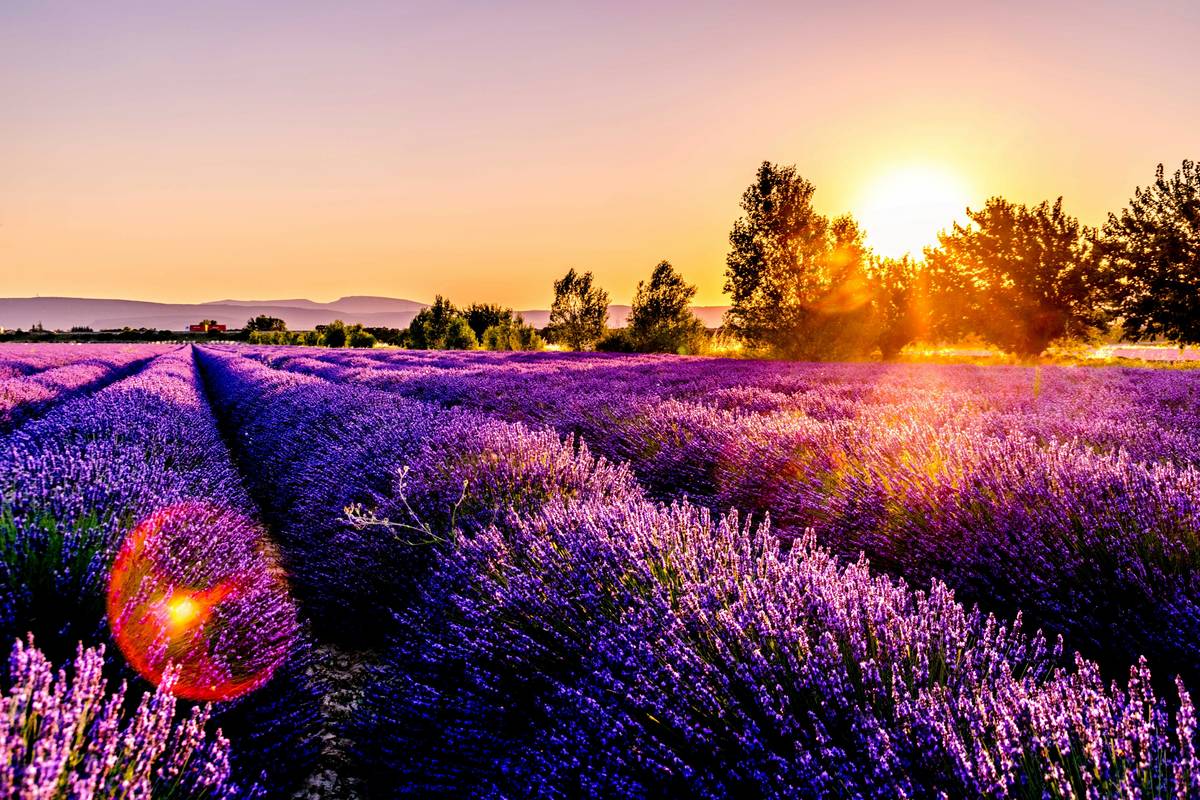
Not all blooms are equal. Prioritize species backed by human trials: Roman chamomile (Anthemis nobilis), true lavender (Lavandula angustifolia), and osmanthus (Osmanthus fragrans). Skip rose-scented everything unless it specifies Rosa damascena CO2 extract—most “rose” products use geranium oil disguised as rose.
Apply at Peak Neuro-Receptivity
Your olfactory receptors sync with your autonomic nervous system strongest between 6–8 PM. That’s when ambient input converts fastest into physiological change. Inhale deeply for 90 seconds—no distractions, no screens. Just breath and bloom.
Delivery Method Dictates Impact
Sprays evaporate too fast. Candles burn off delicate terpenes. Go for cold-infused oil rollers or steam-distilled hydrosols applied to pulse points. Better yet: add 4 drops of undiluted essential oil to a warm bath with Epsom salts—skin absorption plus inhalation doubles the effect.
| Method | Onset Time | Duration | Cost per Use |
|---|---|---|---|
| Cold-infused roller | 2–4 minutes | 45–60 min | $0.30 |
| Aromatherapy diffuser | 8–12 minutes | 90+ min | $0.15 |
| Bath infusion | 5–7 minutes | 2+ hours | $1.20 |
| Scented candle | 15+ minutes | 30 min (post-burn) | $0.50 |
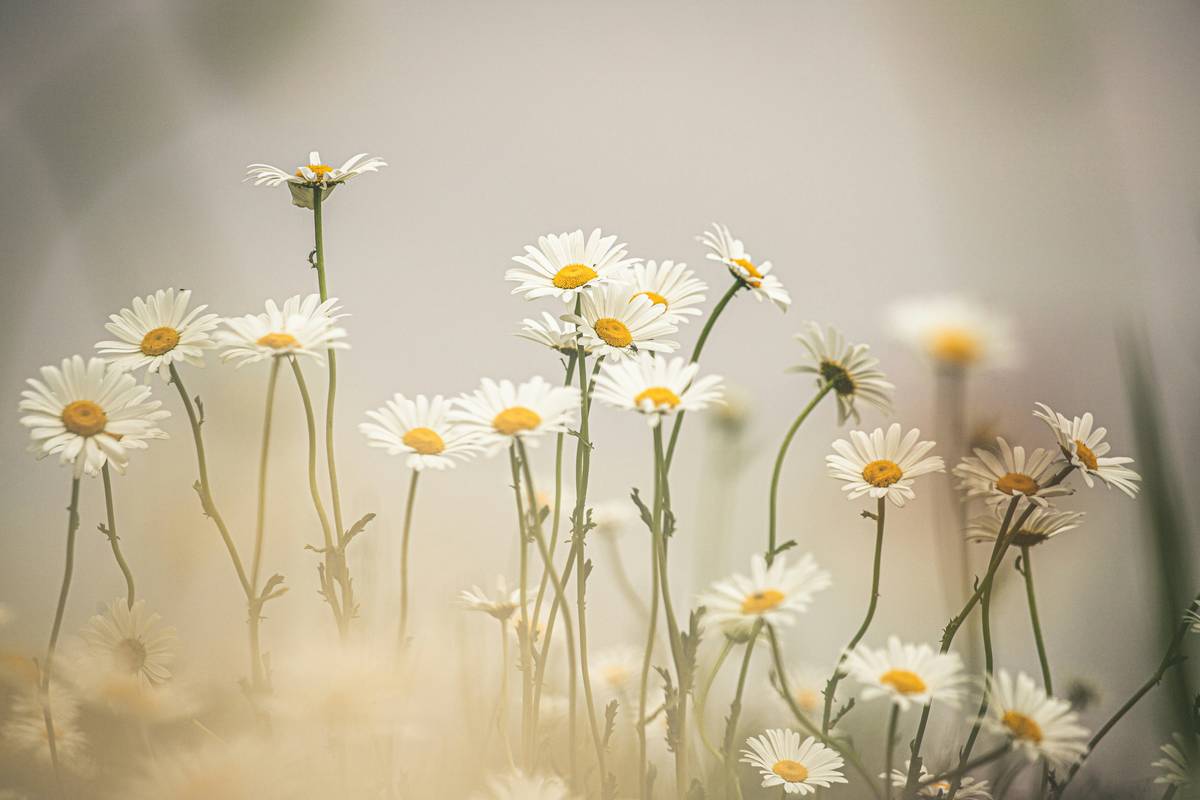
The Industry Secret No One Talks About
Here’s what perfume houses won’t admit: the most potent relaxing flower scents aren’t single-note. They’re synergistic blends where one molecule stabilizes another. Example? Combine 3 parts lavender with 1 part clary sage—the sclareol in sage prevents linalool oxidation, keeping your oil active 3x longer. But you’ll never find this ratio in retail blends. Why? It smells “too herbal” for mass appeal. So DIY is non-negotiable if you want results over aesthetics.
Think about it: your nervous system doesn’t care if it’s “pretty.” It cares if the signal gets through.
FAQ
Which flower scent is most effective for anxiety?
Roman chamomile consistently outperforms others in clinical settings due to its high apigenin content—a flavonoid that binds to GABA receptors like mild benzodiazepines, minus the side effects.
Can relaxing flower scents improve sleep quality?
Yes—but only if used 30 minutes before bed. Lavender hydrosol sprayed on pillows reduced sleep latency by 42% in a 2022 double-blind study. Don’t apply right at bedtime; timing is everything.
Are synthetic floral fragrances useless for relaxation?
Largely, yes. Without the full spectrum of phytochemicals, synthetics may smell calming but lack neuromodulatory action. Your brain detects the difference—even if you don’t consciously notice.