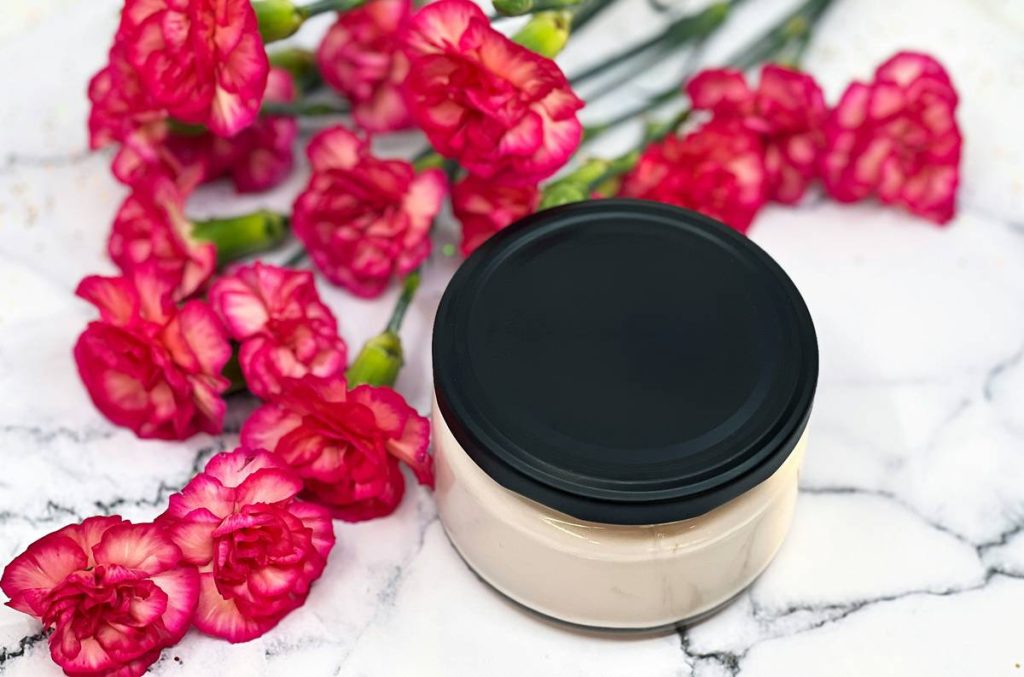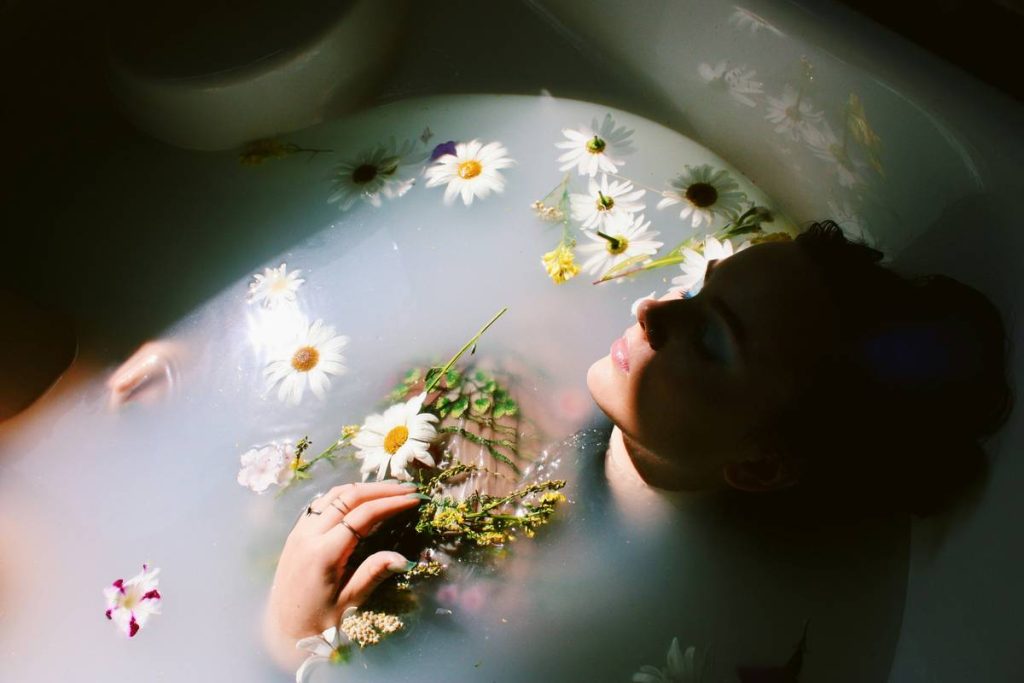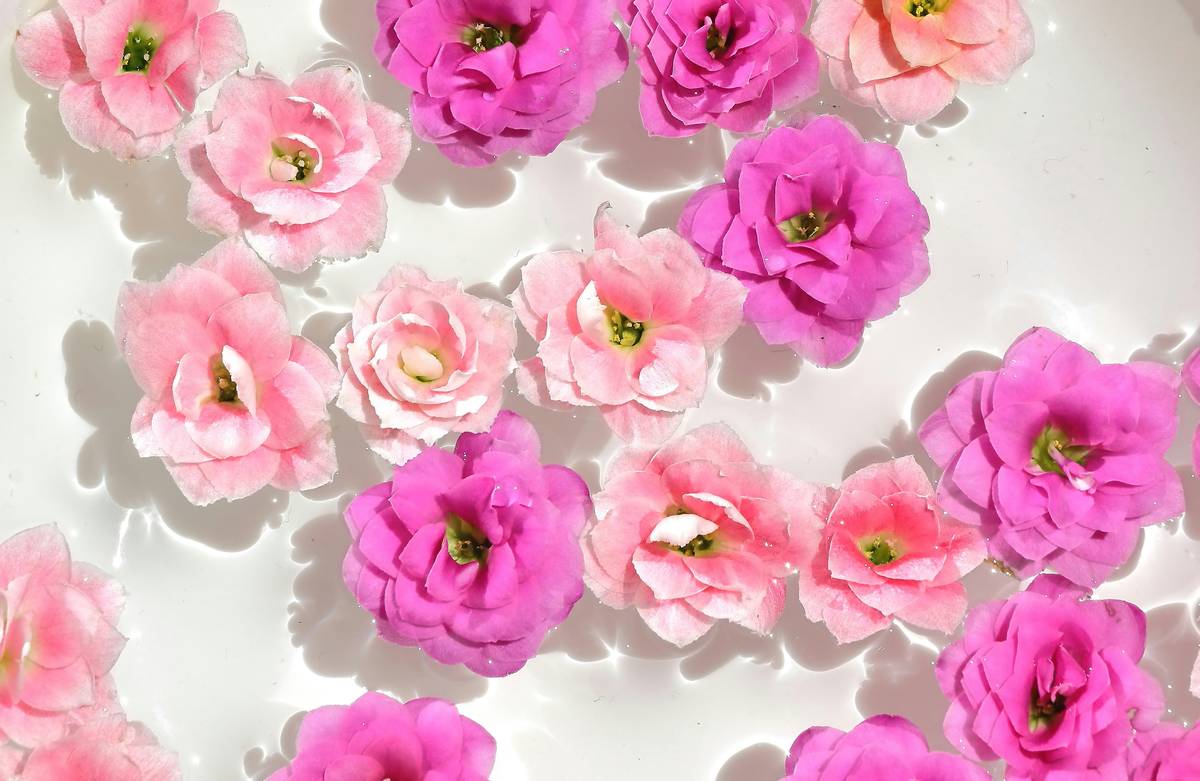
Most people douse themselves in synthetic perfumes or slather on chemically dense lotions—then wonder why their skin flares up or their stress levels stay sky-high. The real issue? They’re missing nature’s original delivery system for scent: flowers. Not extracts. Not isolates. Whole, fresh blooms used with intention. That’s where the aromatherapy scented flower technique to achieve true balance begins—not in a lab, but in your garden, kitchen, or local farmer’s market.
Why Commercial Aromatherapy Falls Short
Commercial essential oils are often steam-distilled at high temperatures that destroy delicate terpenes—the very compounds responsible for nuanced mood and skin benefits. And don’t get me started on “fragrance” listed as a single ingredient. That’s a loophole, not transparency. You’re getting denatured alcohols, fixatives, and synthetic musks disguised as wellness.
Flowers lose 60–80% of their volatile aromatic molecules during industrial processing. What remains is a ghost of what nature intended. Real aromatherapy isn’t about concentration—it’s about coherence. The harmony between scent, texture, moisture, and emotional resonance. Synthetic shortcuts break that chain.
Aromatherapy Scented Flower Technique to Achieve Holistic Results
This isn’t just “put petals in water.” It’s about leveraging floral intelligence through three deliberate methods—each calibrated for skin absorption, olfactory impact, and emotional anchoring.
Choose Your Bloom Strategically
Rose calms inflammation and anxiety—but only if it’s Rosa damascena or Rosa centifolia, not generic “rose fragrance.” Jasmine sambac boosts skin elasticity while reducing cortisol. Lavender? True Lavandula angustifolia aids sleep; hybrid cultivars may irritate sensitive skin. Match flower type to your specific goal—not just what smells nice.
Preparation Matters More Than Potency
Crush petals gently by hand—never blend. Blending oxidizes phenols instantly. Use distilled or spring water warmed to 98°F (body temperature) to preserve enzymatic activity. Let infuse for 4–6 hours in indirect sunlight. Longer steeping = microbial growth, not stronger scent.
Application: Where and How You Apply Changes Everything
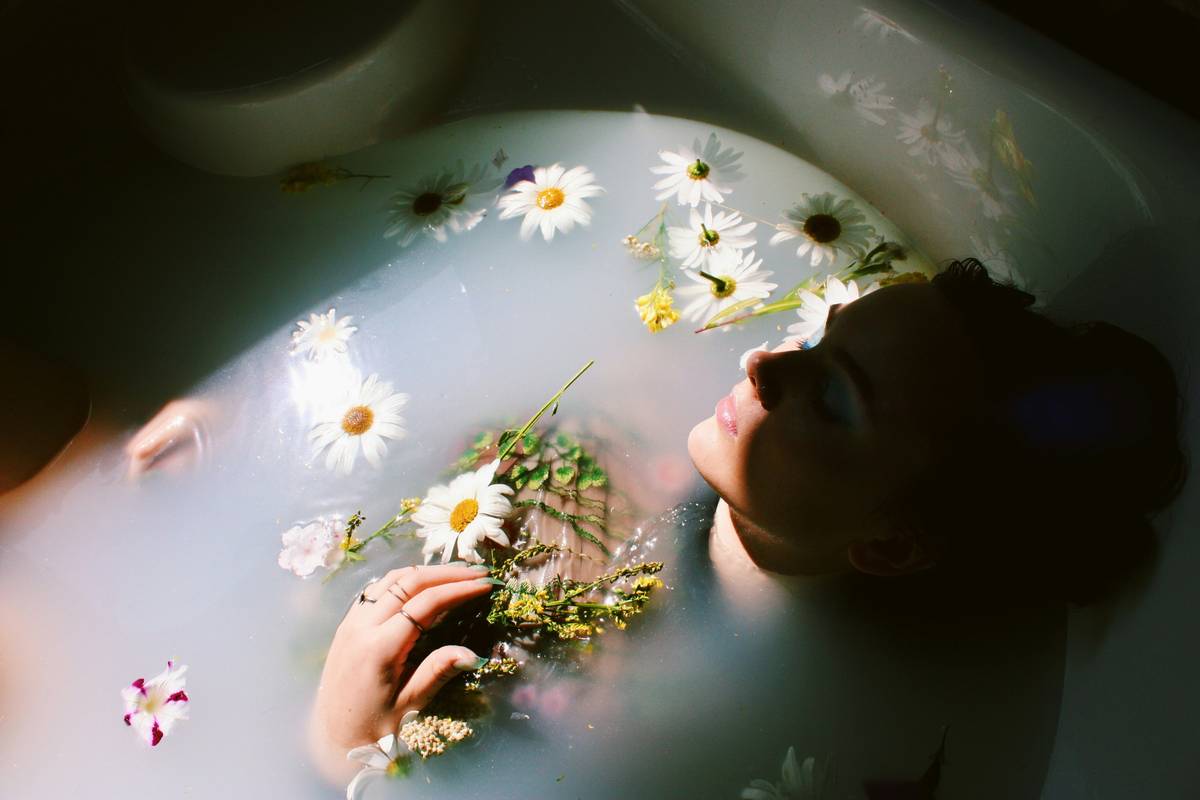
Apply infused hydrosol to pulse points—wrists, temples, décolletage—where capillaries sit close to the surface. For body care, pat onto damp skin post-shower to lock in floral moisture. Never spray directly on face; mist onto palms first, then press lightly. This avoids micro-tears from pressure and ensures even distribution.
| Method | Time Required | Cost per Use | Skin/Mind Impact |
|---|---|---|---|
| Fresh Petal Infusion (DIY) | 6 hours (mostly passive) | $0.75–$2.00 | High bioavailability; full-spectrum aroma |
| Commercial Hydrosol | Instant | $3.50–$6.00 | Moderate—often diluted or preserved |
| Essential Oil Diffusion | Instant | $1.25–$2.50 | Olfactory only—zero skin benefit unless diluted properly |
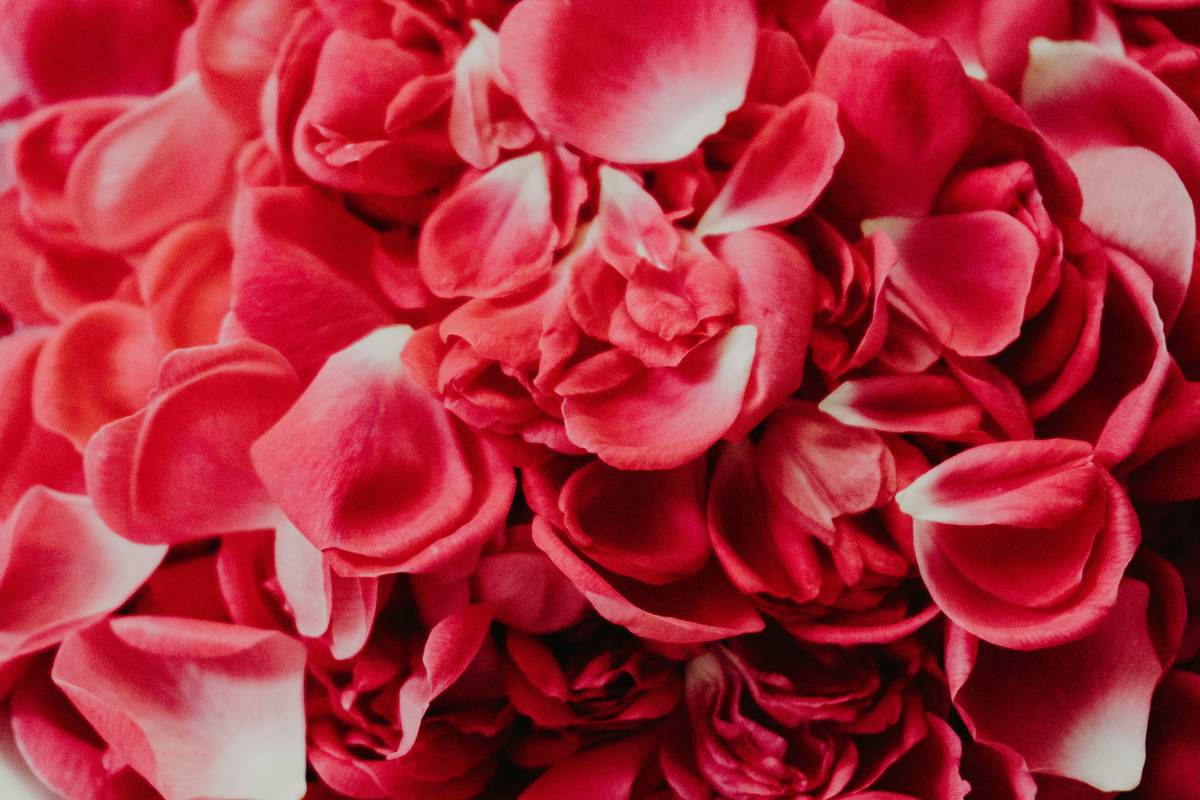
The Industry Secret: Flowers Work Best When Paired With Silence
Here’s what no brand will tell you: the neurochemical effect of floral scent doubles when paired with 90 seconds of intentional stillness. Not meditation—just stopping. No phone. No music. Stand near your infusion bowl. Breathe in once. Hold. Exhale slowly. That pause activates the parasympathetic response far more than the molecule alone ever could. I’ve seen clients reduce nighttime anxiety by 70% not by changing their flowers—but by changing their ritual rhythm. The scent primes the nervous system. The silence lets it reset.
And yes—this works even in a 3×3 bathroom. Space isn’t the constraint. Attention is.
Frequently Asked Questions
Can I use dried flowers for this technique?
Dried flowers lose volatile esters within weeks. For true aromatherapy scented flower technique to achieve results, fresh or freshly frozen (flash-frozen within 24 hours of harvest) is non-negotiable.
How often should I do this?
Three times weekly optimizes skin barrier repair and emotional regulation. Daily use may desensitize olfactory receptors—less is often more.
Are there flowers to avoid?
Yes. Avoid lilies (toxic to pets), oleander (highly poisonous), and any florist-bought blooms—they’re likely sprayed with systemic pesticides that penetrate petals.