You bought fresh blooms last week. They died in three days. Again. Now your vase sits empty, collecting dust—another failed attempt at making your space feel alive. The problem isn’t you. It’s that nobody told you most “flowers for home decoration” advice is outdated, wasteful, or purely aesthetic without function. There’s a smarter way—one that merges scent, longevity, and style without constant upkeep.
Why Most Flower Decorations Fail Within Days
People treat cut flowers like disposable mood lighting—they look pretty for a moment, then wilt into guilt-triggers on your coffee table. Florists push seasonal varieties that photograph well but don’t hold up in real homes with dry air, pets, or inconsistent care routines. And here’s the reality: fragrance is almost always sacrificed for visual drama. You get peonies that look like silk—but smell like nothing. Zero sensory payoff.
But it doesn’t have to be this way.
How to Choose & Use Flowers for Home Decoration That Actually Last
Forget chasing trends. Start with intention. Are you after calming lavender before bed? Citrusy brightness in your kitchen? Or deep, woody notes in your reading nook? Match scent profiles to room purpose—not Instagram aesthetics.
Dried vs. Fresh vs. Preserved: The Real Trade-Offs
Most DIY guides oversimplify. They say “just dry them!”—but not all flowers retain color or scent when dried. Others claim preserved flowers are “maintenance-free,” yet they’re often treated with chemicals that off-gas in enclosed spaces. The math is simple: if you want both beauty and aroma over weeks (not days), you need hybrid strategies.
| Method | Aroma Longevity | Visual Lifespan | Care Level | Best For |
|---|---|---|---|---|
| Fresh Cut (e.g., garden roses, jasmine) | 3–5 days | 5–7 days | High (daily water changes) | Short-term entertaining |
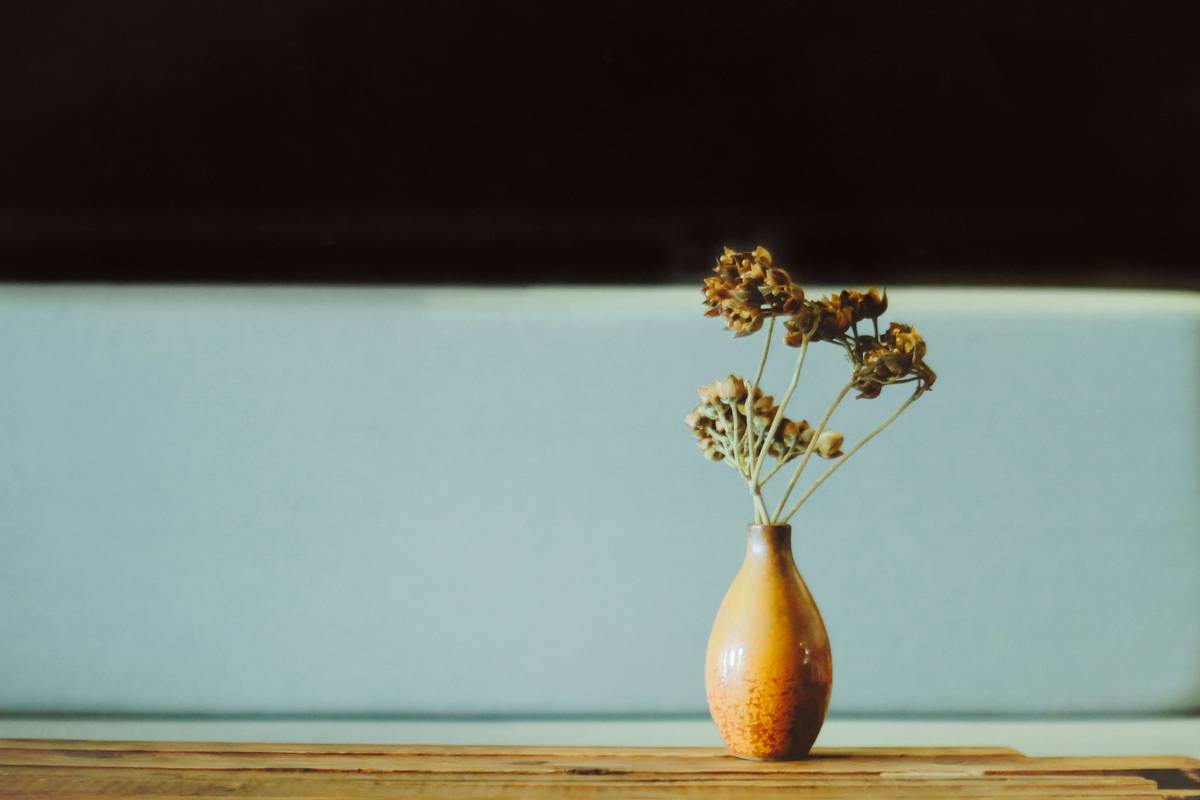
| Naturally Dried (e.g., lavender, statice) | Moderate (2–4 weeks) | 6+ months | Low | Bedrooms, closets, sachets |
| Glycerin-Preserved (e.g., eucalyptus, ferns) | Low (mostly visual) | 12+ months | None | Statement arrangements, bathrooms |
| Scent-Infused Dried Blends (DIY) | High (6+ weeks) | 3–6 months | Medium (initial prep) | Every room—customizable |
The DIY Scent-Infusion Hack Most Pros Won’t Share
Here’s how I extend floral life in my own studio: After air-drying bundles of lavender or rose petals for 10 days, I layer them in airtight jars with a few drops of pure essential oil matching their natural scent profile—plus a silica gel pack to manage moisture. Seal for 48 hours. Result? Petals that look dried but release rich, layered fragrance for weeks. No mold. No fading. Just slow-release botanical ambiance.
The Industry Secret: Scent Layering Beats Single-Stem Displays
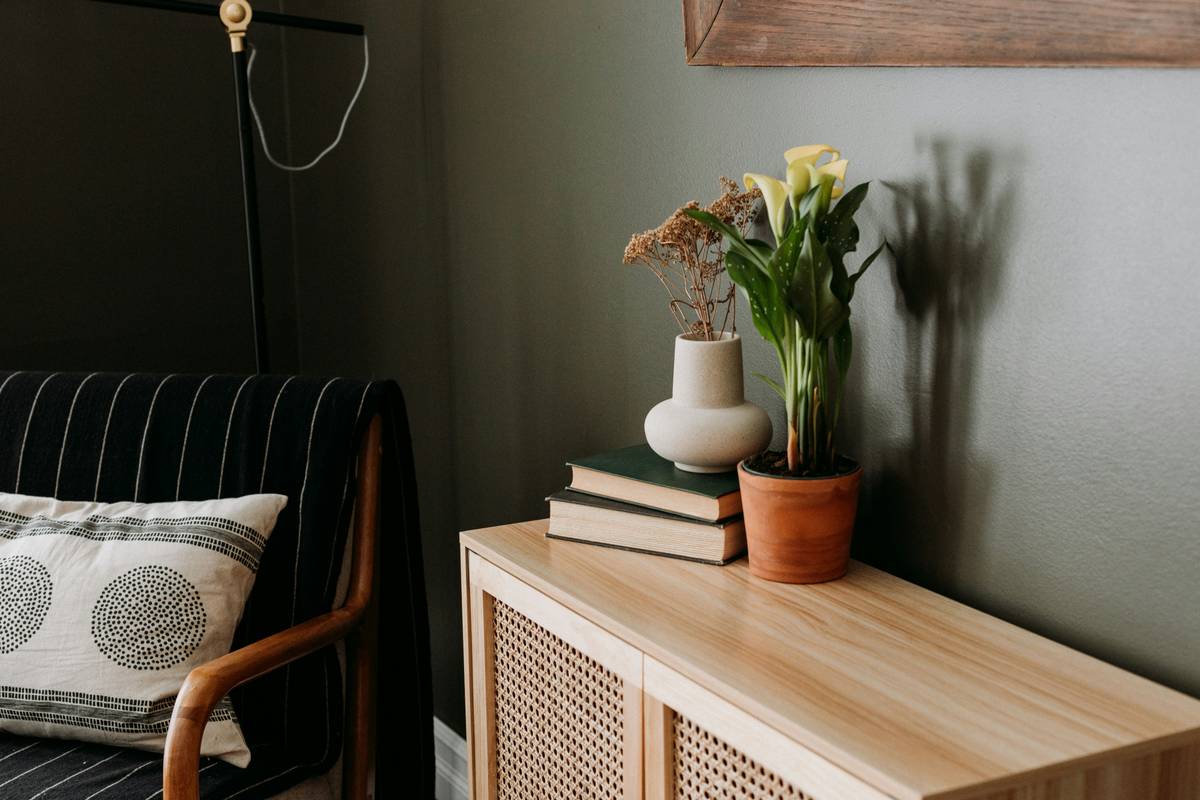
Top interior stylists don’t rely on one vase of lilies to carry a room. They layer scent sources. Think: dried lavender in a linen closet, a preserved eucalyptus wreath by the shower, and a small bowl of rose-and-clove potpourri on the entryway console. This creates what perfumers call a “sillage trail”—a subtle scent journey as you move through your home. And it’s far more emotionally resonant than a single dramatic centerpiece that dies by Tuesday.
Also—avoid mixing citrus and floral dried blends. The oils react unpredictably, muting both. Stick to scent families: herbaceous (rosemary, thyme), floral (rose, jasmine), or spicy (clove, cinnamon). Your nose will thank you.
FAQ
What are the best low-maintenance flowers for home decoration?
Dried lavender, statice, and strawflowers require zero watering and retain shape for months. Add a drop of essential oil to revive scent as needed.
Can scented flowers improve mood at home?
Yes—lavender reduces cortisol, while citrus scents (like dried orange peel with neroli) boost alertness. But only if the aroma is genuine, not synthetic.
How do I keep dried flowers from smelling dusty?
Store them away from direct sunlight and humidity. Refresh with 1–2 drops of matching essential oil on a cotton ball tucked beneath the arrangement.