You love the idea of a fragrant, blooming sanctuary—but your past attempts at flower garden decoration for home have wilted fast. Maybe the petunias died in July. Or the roses attracted aphids, not admiration. You’re left with patchy soil and zero curb appeal. Here’s the fix: stop treating flowers like decor props. Start designing them as living architecture.
Why Most Flower Gardens Fail Within Weeks
Most homeowners plant based on color alone—big mistake. They ignore microclimates, scent diffusion patterns, and bloom timing. The result? A June explosion followed by barren August soil. And it’s not just about sun exposure. Scent behaves differently than sight. A jasmine tucked beside a wall might perfume one chair—not your entire patio.
But here’s what no nursery tells you: visual beauty decays; olfactory memory lingers. Get the fragrance right, and even wilted petals feel intentional.
Step-by-Step Guide to Building a Lasting Scented Flower Garden
Map Your Scent Zones First
Don’t start with seeds. Walk your yard at different times of day. Note where breezes collect, where heat lingers, where you actually sit. These are your scent zones. Night-blooming flowers like moonflower belong near evening seating—not your mailbox.
Choose Blooms by Longevity, Not Just Looks
Marigolds look cheerful but smell medicinal. Lavender? Gorgeous, drought-tolerant, and bees adore it—but only if you shear it midsummer. Prioritize perennials with staggered bloom cycles: rosemary (spring), gardenia (early summer), tuberose (late summer). Keep visual drama secondary.
Soil Isn’t Dirt—It’s Scent Infrastructure
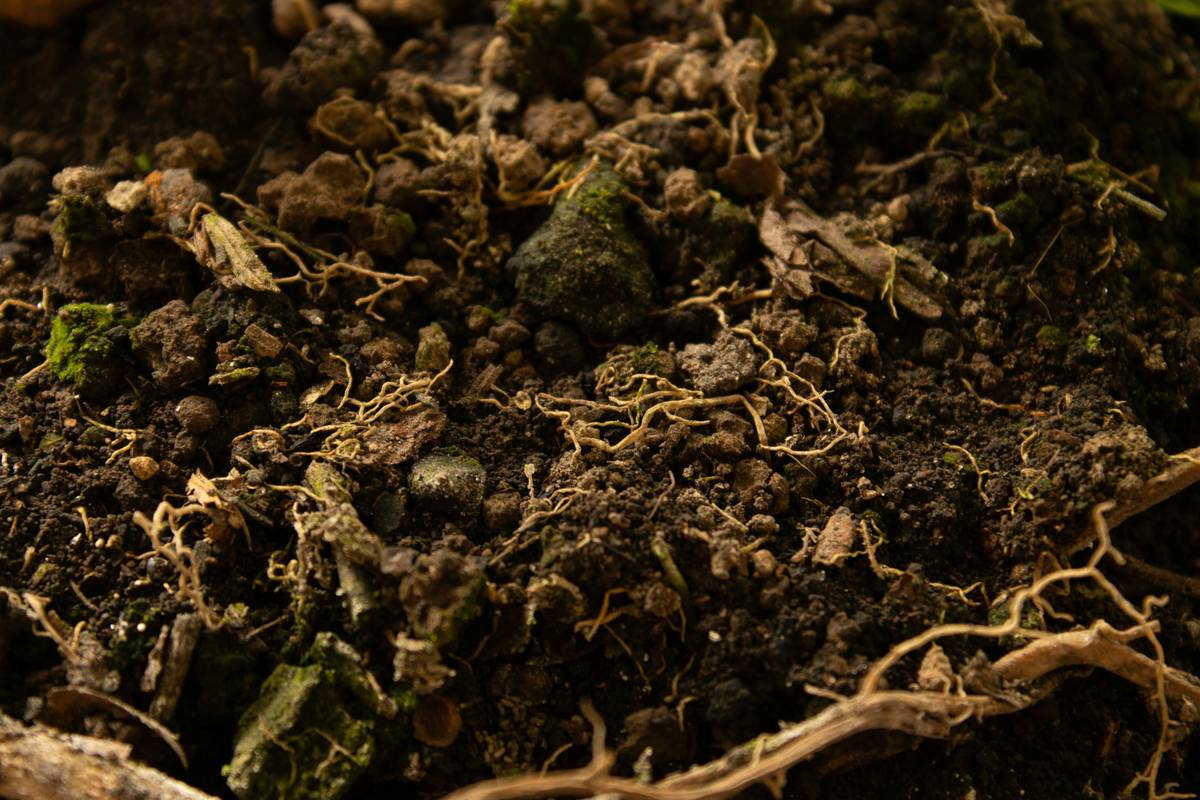
Fragrance intensity depends on soil pH and microbial life. Acidic soil boosts honeysuckle’s sweetness. Alkaline? Makes lilacs sharper. Test your soil before buying a single plant. Amend with compost rich in mycorrhizae—those fungi amplify root-to-petal aroma transmission.
| Plant Type | Bloom Season | Scent Strength | Maintenance Level | Ideal Placement |
|---|---|---|---|---|
| Gardenia | May–July | Strong (creamy, floral) | High (needs shade + humidity) | East-facing patio edge |
| Lavender | June–August | Moderate (herbal, clean) | Low (drought-resistant) | Pathway borders, raised beds |
| Night-Blooming Jasmine | July–September | Intense (exotic, sweet) | Medium (train on trellis) | Near bedroom windows or porch swing |
| Rosemary (Flowering) | April–June | Light (pine-like, fresh) | Very Low | Kitchen garden or entry corners |
The Industry Secret: Scent Layering Beats Color Matching
Top landscape designers don’t coordinate petal hues—they layer notes like perfumers. Think: top (citrusy verbena), heart (floral peony), base (woody vetiver grass). This creates a dynamic olfactory experience that evolves hourly. One designer I worked with near Santa Fe plants lemon-scented thyme under white lilies—sun heats the thyme by noon, releasing zesty undertones beneath the lily’s heavy perfume. Guests never notice the combo visually. But they feel it.
And that’s the real win: people remember how your garden made them feel—not whether the pansies matched the door.
FAQ
What is the easiest scented flower for beginners?
Lavender. It thrives in poor soil, resists pests, and smells stronger when brushed against—perfect for walkways. Just give it full sun and don’t overwater.
Can I grow fragrant flowers indoors for home decoration?
Yes—gardenias, jasmine, and citrus trees (like kumquat) work in bright, humid rooms. Use pebble trays to boost moisture. Rotate pots weekly for even growth.
How often should I replace plants in a flower garden decoration for home?
Perennials last 3–5 years with proper pruning. Annuals like sweet alyssum need replanting yearly. Refresh mulch every spring to lock in moisture and scent compounds.