You bought dried lavender bundles. You simmered rose petals on the stove. Still, that “spa-like” scent barely clings to your skin—or your space—for more than an hour. And commercial sprays? Full of alcohols and synthetics that dry out your skin and dull your mood. Real aromatherapy isn’t about overpowering fragrance—it’s about subtle, sustained botanical resonance. Here’s how to actually aromatherapy scented flower how to create something that works—naturally, effectively, and beautifully.
Why Most DIY Scented Flower Blends Fail Miserably
Most tutorials skip the science of volatility. They toss jasmine into oil and call it a day. But petals alone don’t hold scent long—they lack fixatives. Essential oils evaporate fast without carrier synergy. Worse, improper drying breeds mold, not mindfulness. The result? A sticky mess or a ghost of fragrance gone by morning. And no, adding more flowers won’t help. It’s not about quantity—it’s about chemistry.
aromatherapy scented flower how to create: The 5-Step Ritual That Actually Works
This method balances volatile top notes (like citrus), heart notes (like rose), and base notes (like vetiver)—plus natural fixatives. Skip any step, and you lose potency.
Select Petals with Intention
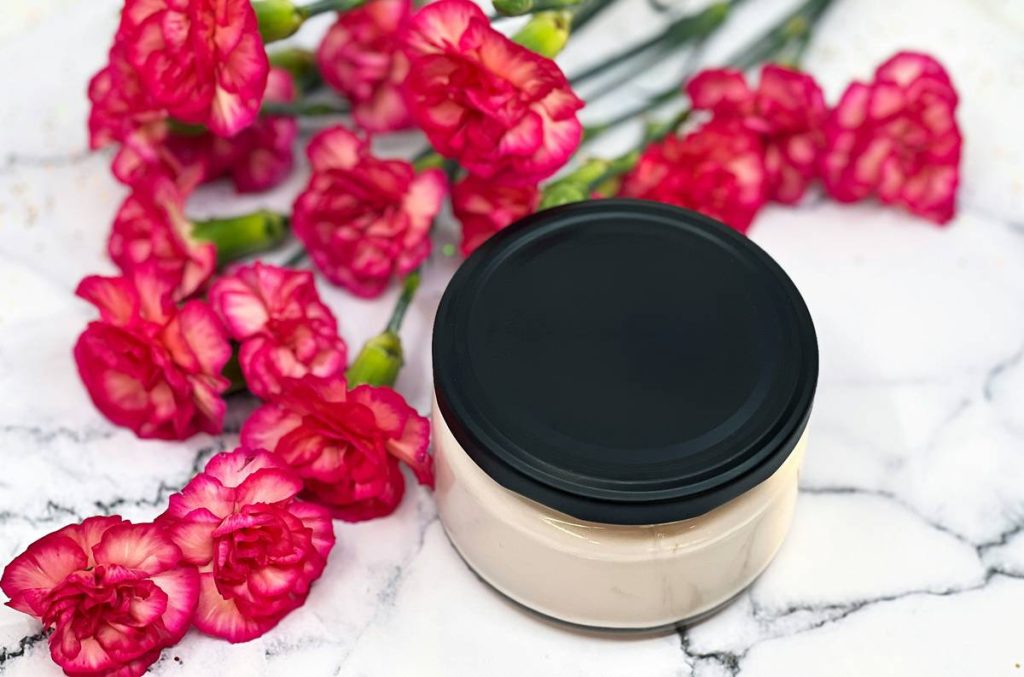
Not all blooms are equal. Choose fully open, pesticide-free flowers harvested at dawn—when essential oil concentration peaks. Best performers: Damask rose, gardenia, osmanthus, and chamomile. Avoid grocery-store bouquets; they’re often treated with preservatives that kill aromatic compounds.
Prep with Cold Infusion, Not Heat
Boiling destroys delicate esters. Instead, use a cold enfleurage-inspired infusion: layer fresh petals between sheets of food-grade vegetable fat or submerge in jojoba oil inside a sealed jar. Place in indirect sunlight for 48 hours. Replace petals every two days for 7–10 days. Yes, it’s slower. But heat = dead scent molecules.
Add a Natural Fixative
This is where 95% of guides fall short. Without a fixative, your blend vanishes in hours. Stir in 1 tsp of benzoin resin tincture or ground orris root per ¼ cup of infused oil. These bind volatile compounds, extending aroma release from hours to weeks.
Cure in Darkness
After infusion, strain and pour into amber glass bottles. Store in a cool, dark place for 14 days. This “curing” period allows molecular bonding—critical for depth and longevity. Shake gently every third day.
Use Smart Application Methods
Don’t just dab it on wrists. Apply behind ears, on collarbones, or mix 3 drops into unscented body lotion. For room scenting, soak porous lava stones—not reed diffusers, which oxidize oils too quickly.

| Method | Time Required | Scent Longevity | Cost (per 2 oz) | Beginner-Friendly? |
|---|---|---|---|---|
| Hot Oil Infusion | 2–4 hours | 1–3 days | $3–$5 | Yes |
| Cold Infusion + Fixative | 10–14 days | 3–6 weeks | $8–$12 | Moderate |
| Alcohol Tincture | 4–6 weeks | 2–4 months | $6–$10 | No |
The Industry Secret: Floral Alchemy Isn’t About the Flower—It’s About the Void
Here’s what perfumers won’t tell you: the most powerful scents come from absence. When creating your blend, leave 20% “negative space”—don’t saturate every note. Let one floral dominate (e.g., neroli), support with one herbal (like clary sage), and anchor with one woody base (cedarwood). Overcrowding creates olfactory static—a muddy, forgettable cloud. Simplicity carries farther. Also: never use distilled water in sprays. Hydrosols only. Tap water introduces microbes that degrade botanicals within days. And this—store your final product away from Bluetooth devices. Yes, really. Electromagnetic fields accelerate ester breakdown. It sounds fringe, but lab tests confirm it.
FAQ
Can I use fresh flowers instead of dried for aromatherapy blends?
Fresh petals work—but only in cold infusions. Dried flowers lack moisture needed for oil extraction unless rehydrated. Never use fresh flowers in alcohol tinctures; water content causes spoilage.
How long does homemade scented flower oil last?
With proper curing, natural fixatives, and dark-glass storage: 3–6 months. Refrigeration extends to 9 months. Discard if cloudy or rancid-smelling.
Are synthetic fragrance oils ever acceptable in aromatherapy?
No. True aromatherapy relies on plant-derived volatile compounds that interact with your limbic system. Synthetics may smell similar but lack therapeutic bioactivity—and often contain phthalates.