Your living room feels sterile. Bedrooms lack soul. You’ve bought vases, arranged petals, even tried those “permanent” faux bouquets—but nothing sticks. The scent fades by Tuesday. The color looks dull under lamplight. And honestly? It all starts to feel like retail therapy, not real ambiance. Here’s the fix: stop decorating with flowers as an afterthought. Start designing *with* them—as structural, sensory anchors that shift mood and space. Real flower decoration ideas for home aren’t just pretty—they’re strategic.
Why Most Flower Decor Fails Within 48 Hours
People treat blooms like throw pillows—swap them out weekly, chase trends, ignore biology. Big mistake. Cut flowers aren’t accessories. They’re living organisms reacting to humidity, light, airflow. Stick a peony in a drafty hallway? It wilts by sunset. Toss roses into tap water with chlorine? You’ve signed their death warrant before noon.
And here’s the ugly truth: florists rarely tell you how to *extend* life beyond Day One. Their profit’s in the sale—not your vase longevity. So you’re left guessing. Or worse—resorting to plastic imitations that collect dust and scream “I gave up.”
Flower Decoration Ideas for Home: A 3-Step Sensory Blueprint
Forget random stems in mismatched jars. Build arrangements that last, smell intentional, and interact with your architecture—not fight it.
Step 1: Match Bloom to Room Function (Not Just Aesthetics)
Kitchen? Go citrusy—neroli or lemon verbena cuttings repel flies and neutralize odors. Bedroom? Night-blooming jasmine or gardenia for slow-release calm. Avoid heavy lilies in small spaces—they overwhelm oxygen and scent receptors. Your nose knows before your eyes do.
Step 2: Hack Hydration Like a Pro Florist
Add two drops of vodka + one teaspoon sugar to every quart of water. Kills bacteria without clouding clarity. Change solution every 36 hours—not “when cloudy.” And never, ever use metal scissors; copper ions accelerate decay. Use ceramic shears or a sharp paring knife at a 45-degree angle.
Step 3: Think Beyond Vases—Use Architecture as Support
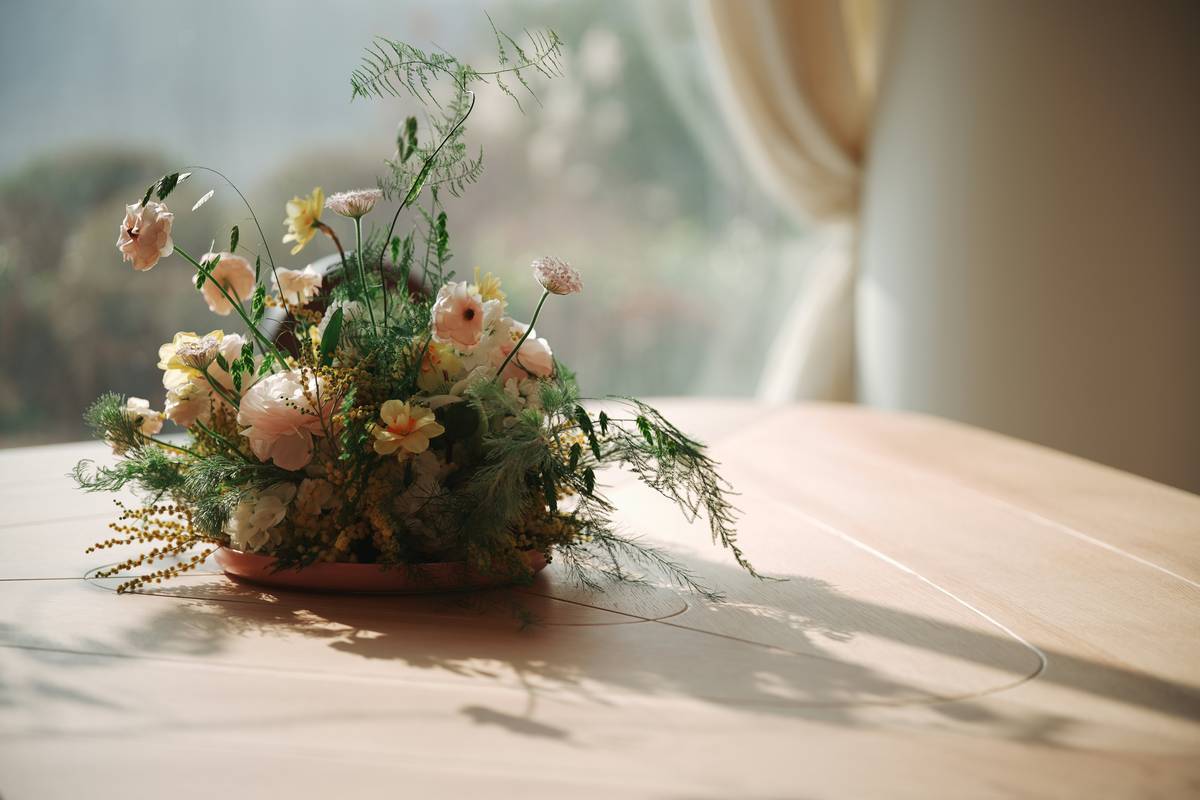
Drape plumeria vines along curtain rods. Float magnolia buds in shallow concrete bowls on coffee tables. Nestle dried lavender bundles inside hollowed-out vintage books on shelves. The container shouldn’t dominate—the flower should *become* part of the room’s rhythm.
| Method | Lifespan (Days) | Scent Strength | Effort Level | Best For |
|---|---|---|---|---|
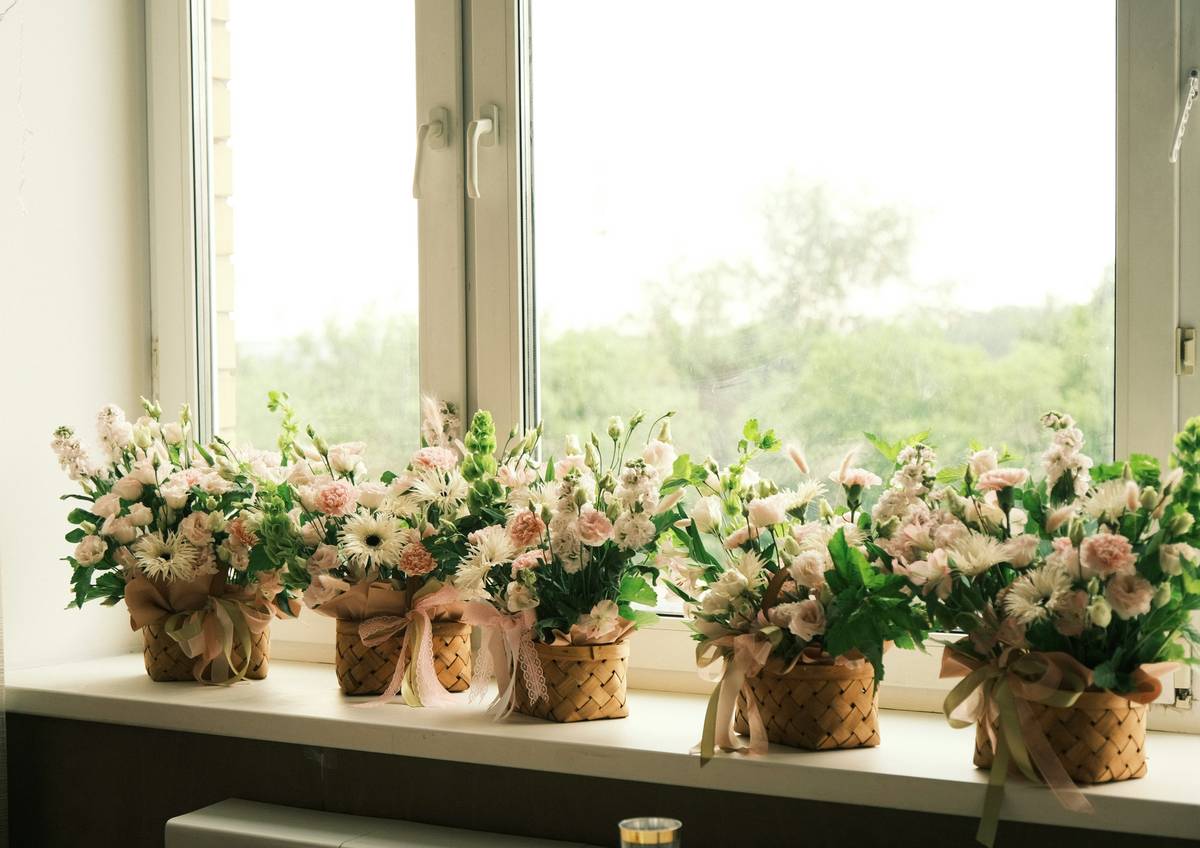
| Vase Centerpieces (traditional) | 3–5 | Moderate | Low | Dining rooms, entryways |
| Floating Petals in Bowls | 2–3 | Light | Very Low | Bathrooms, bedside tables |
| Vine Draping (e.g., jasmine, honeysuckle) | 7–10 | Strong | Medium | Windows, archways, stair rails |
| Dried Bundles (lavender, eucalyptus) | 60+ days | Mild but persistent | Low | Closets, linen drawers, open shelving |
The Industry Secret: Scent Layering > Visual Layering
Top interior stylists don’t obsess over petal symmetry. They layer scents like perfumers—base, heart, top notes—across rooms. Place earthy vetiver roots near entry mats (base), mid-height jasmine on side tables (heart), and delicate orange blossoms near ceiling fans (top). Airflow carries the blend upward, creating a dynamic fragrance arc that shifts from morning crispness to evening warmth.
Here’s what no blog admits: visual repetition bores the eye fast. But olfactory variation? That rewires emotional response hourly. A guest won’t remember your hydrangea shade—but they’ll recall how your hallway *felt* mysteriously calming every time they passed through.
FAQ
How do I keep cut flowers fresh longer?
Add vodka and sugar to water, recut stems every 2 days underwater, and avoid direct sunlight or AC vents.
Are faux flowers acceptable for home decor?
Only if styled minimally—single stem in matte ceramic, never clustered. Real scent creates memory; plastic only mimics shape.
What flowers are safest for pets?
Opt for roses, sunflowers, or snapdragons. Avoid lilies, chrysanthemums, and daffodils—they’re toxic to cats and dogs.