You light a candle, spritz a room spray, or dab on a perfume labeled “floral.” But your skin still feels tight. Your mind stays cluttered. The scent fades in minutes. Why? Because most products exploit the idea of floral aromatherapy without using real, potent botanicals. The result? Aesthetic fragrance—not therapeutic benefit. Here’s the truth: not all flowers translate into effective essential oils. And if you’re chasing genuine emotional or dermal results, you need to know which blooms actually work—and how to use them right.
Why Most “Floral” Aromatherapy Products Fail You
The beauty aisle is full of rose-scented lotions and lavender mists that smell lovely but do almost nothing beyond masking odors. That’s because true aromatherapy requires volatile aromatic compounds extracted through precise methods—steam distillation, solvent extraction, or enfleurage. Many commercial products skip this entirely, relying on synthetic fragrances or diluted absolutes that lack bioactive integrity.
And here’s the kicker: some of the most iconic scented flowers don’t even yield essential oil. Jasmine? No steam-distilled essential oil exists—it’s an absolute. Lily? Too delicate; no viable oil at scale. So when a label says “jasmine essential oil,” it’s either misleading you—or charging $300 for 5ml of absolutes masked as oil.
aromatherapy scented flower what essential oil: A Practical Guide
Not every flower plays nice with essential oil extraction. But a few do—and they’re game-changers when used correctly. Focus on these proven performers:
Rose Otto (Rosa damascena)
Extracted via steam distillation from thousands of petals. Deeply calming. Clinically shown to lower cortisol. Use in facial serums (diluted!) or diffuser blends for anxiety relief. Never apply undiluted—it stings.
Lavender (Lavandula angustifolia)
The only true floral essential oil that’s both affordable and multifunctional. Heals minor burns, deters moths, and improves sleep quality. Keep a rollerball by your bed. One drop on your pillowcase works better than most “sleep sprays.”
Chamomile (Roman or German)
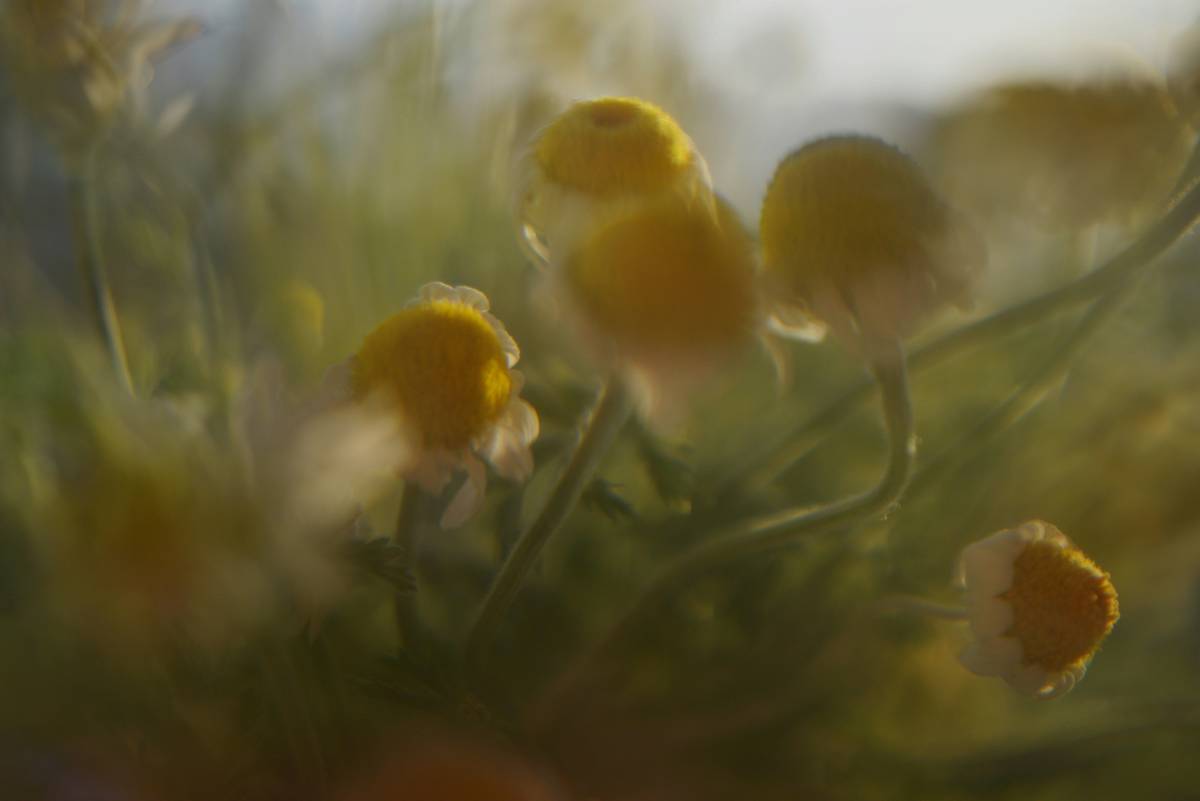
Not technically a showy bloom—but its daisy-like flowers produce oil rich in azulene (that deep blue hue). Anti-inflammatory powerhouse. Mix with jojoba oil for irritated skin or post-shave redness.
| Flower | Extraction Method | Yield Efficiency | Best Use Case | Avg. Cost per 5ml |
|---|---|---|---|---|
| Rose (Damask) | Steam Distillation | Very Low (≈4,000 kg petals = 1L oil) | Emotional balance, mature skin | $80–$150 |
| Lavender | Steam Distillation | High (efficient plant-to-oil ratio) | Stress relief, wound healing | $8–$15 |
| Jasmine | Solvent Extraction (Absolute) | Extremely Low | Mood elevation, sensual blends | $90–$200 |
| Ylang-Ylang | Steam Distillation (fractionated) | Moderate | Heart rate regulation, hair tonic | $12–$25 |
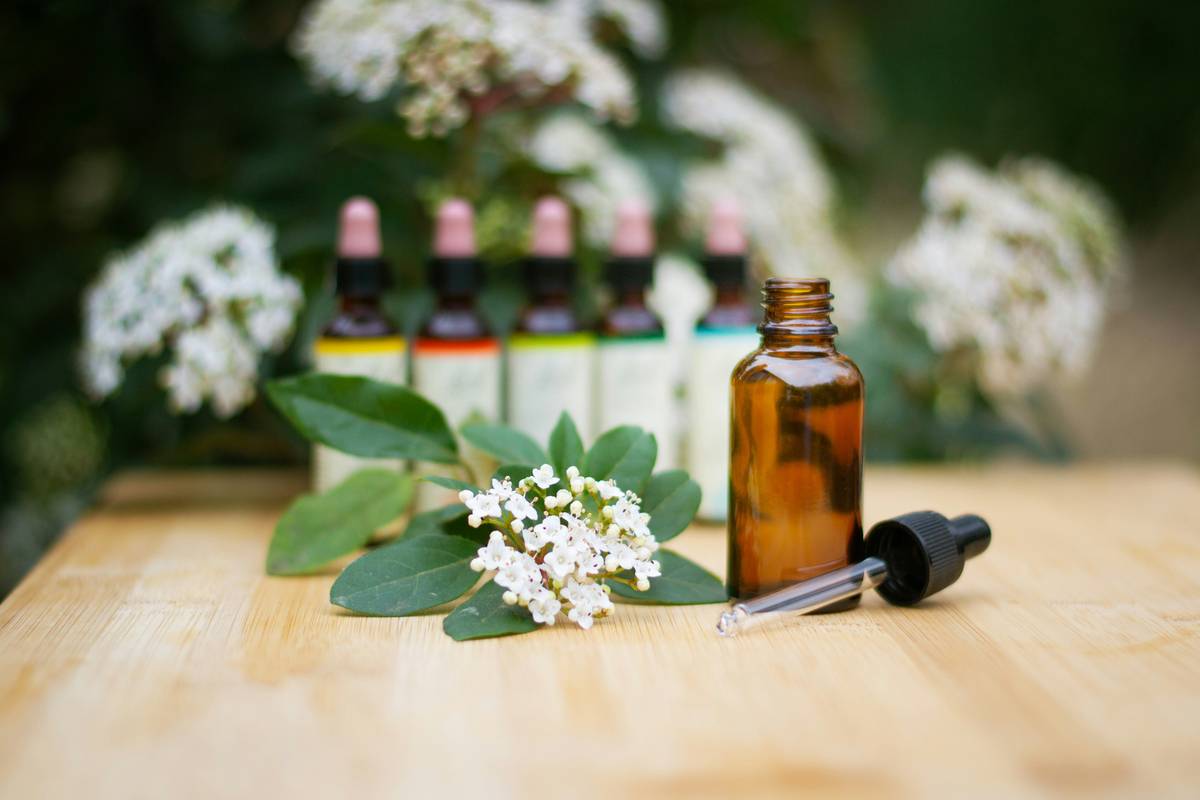
The Industry Secret: Not All Florals Are Equal in Aromatherapy
Here’s what big brands won’t tell you: scent intensity ≠ therapeutic potency. Neroli (from bitter orange blossoms) smells lighter than ylang-ylang, yet studies show it has superior parasympathetic activation—meaning it literally slows your heart rate faster. Meanwhile, “rose-scented” geranium oil is often substituted for true rose otto in budget products. It’s not useless—it has balancing properties—but it doesn’t deliver the same neurochemical response.
Think about it: your limbic system reacts to molecular structure, not marketing imagery. A molecule of linalool from lavender behaves the same whether it’s in a $6 bottle or a $60 one—if it’s pure. But adulteration is rampant. Always check GC/MS reports if buying online. And never judge by aroma alone—an overly sweet jasmine might be spiked with benzyl acetate (a common allergen).
FAQ
Can I make essential oil from fresh-cut flowers at home?
No. Home methods like oil infusion or simmering create hydrosols or infused oils—not true essential oils. Real extraction requires high-pressure steam or solvents only available in labs.
Which scented flower essential oil is safest for sensitive skin?
Lavender. It’s non-irritating at proper dilutions (1–2%) and rarely causes reactions. Avoid citrus florals like neroli if you’re sun-exposed—they’re phototoxic.
Is “aromatherapy scented flower what essential oil” a real search term people use?
Yes—and it reveals user confusion. People are searching for clarity between floral scents and actual therapeutic oils. That’s why understanding extraction methods matters more than pretty labels.