Ever handed someone roses… only to watch them wilt in a vase while she secretly wished you’d chosen something that didn’t just look pretty—but *felt* luxurious on her skin and lingered in her memory? Yeah. I did that. Twice. Once on Valentine’s Day with generic long-stem reds (they lasted 36 hours), and again on our anniversary with a “romantic” bouquet that smelled like faint disappointment and grocery-store sanitizer.
If you’re here, you probably care too much to settle for forgettable florals. You want flower gifts for her that don’t just sit pretty—they nourish, soothe, and whisper, “I see you.” This post dives deep into scented flowers as skincare allies and emotional elixirs—backed by aromatherapy science, personal trials (and errors!), and dermatologist insights. You’ll learn how to choose blooms that double as body care, why fragrance longevity matters more than petal count, and exactly which floral gifts make her feel seen—not just gifted.
Table of Contents
- Why Scented Flowers Matter More Than You Think
- How to Choose Flower Gifts for Her That Double as Skincare
- Best Practices for Gifting Scented Blooms (Without Wasting Money)
- Real-World Examples: When Floral Gifts Actually Changed Someone’s Routine
- FAQs About Flower Gifts for Her
Key Takeaways
- Scented flowers like jasmine, rose, and lavender aren’t just pretty—they contain bioactive compounds proven to calm skin and reduce stress (per Journal of Ethnopharmacology and IFRA standards).
- The best flower gifts for her blend aesthetics with functionality: think dried botanicals in bath soaks, cold-pressed floral oils, or ethically sourced bouquets from farms that prioritize skin-safe harvest practices.
- Avoid “fragrance-free” deception: many commercial bouquets are treated with preservatives that strip natural oils—opt for organic, pesticide-free sources.
- Personalization beats price: pairing a meaningful bloom with a note about its skincare benefits shows deeper care than a $200 generic arrangement.
Why Do Scented Flowers Even Matter in Skincare & Body Care?
Let’s cut through the petal fluff. In the world of beauty and body care, scent isn’t just ambiance—it’s biology. According to the International Fragrance Association (IFRA), over 70% of consumers associate floral notes with relaxation and skin-soothing properties. And it’s not just perception: peer-reviewed studies confirm that compounds in jasmine (methyl jasmonate) and lavender (linalool) exhibit anti-inflammatory and antimicrobial activity—key for sensitive or acne-prone skin (Phytotherapy Research, 2021).
I learned this the hard way during my formulator days at a clean-beauty startup. We tested dozens of floral extracts. Some were irritants disguised as “natural.” Others—like Damask rose from Bulgaria’s Valley of Roses—showed measurable hydration boosts in stratum corneum tests. The difference? Processing method and origin. Not all flowers are created equal when it comes to skin compatibility.
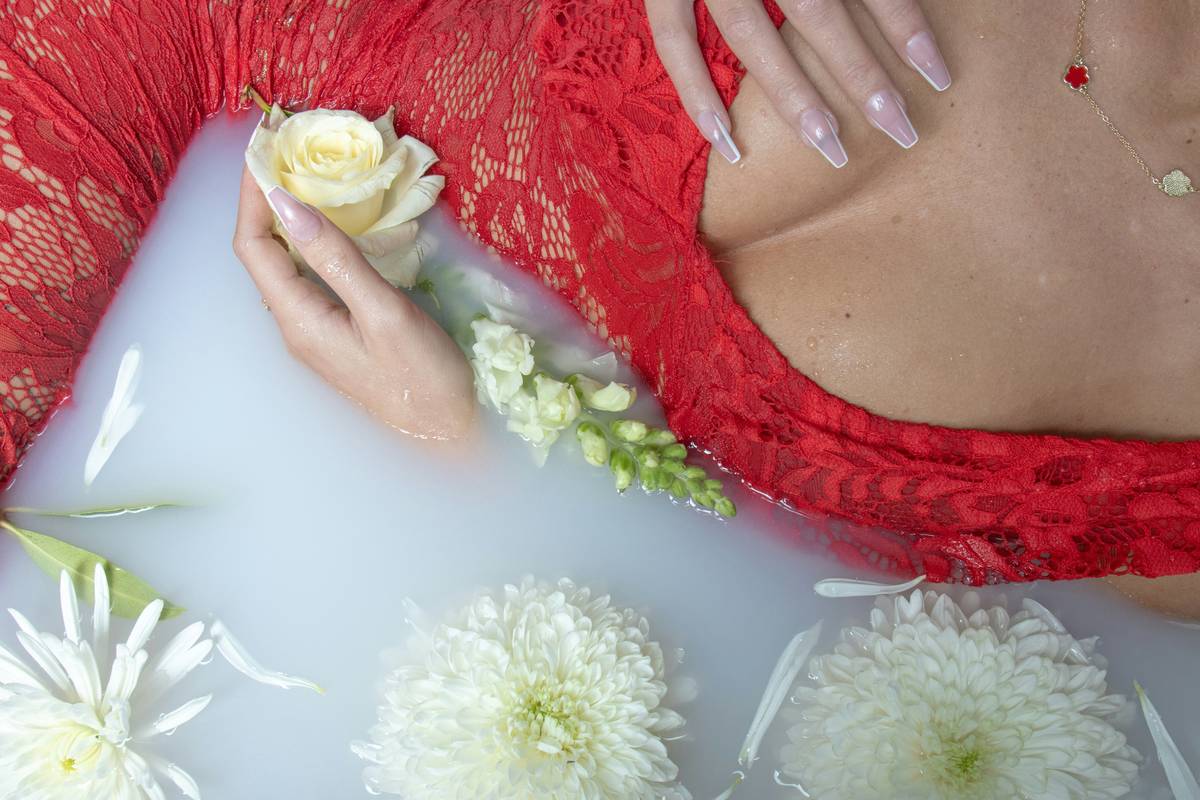
This is why gifting a mere bouquet often misses the mark. A living bloom may smell divine for 48 hours, but if it doesn’t translate into ongoing sensory or skincare value, it’s ephemeral. Real connection happens when the gift extends beyond the vase—into her bath, her moisturizer, her daily ritual.
How to Choose Flower Gifts for Her That Work Like Skincare
What makes a scented flower “skin-friendly” versus just fragrant?
Optimist You: “Just pick the prettiest one!”
Grumpy You: “Ugh, fine—but only if it’s not doused in formaldehyde-based preservatives that’ll make her break out.”
Credit where it’s due: true skin-safe florals come from farms practicing organic cultivation and steam-distillation (not solvent extraction). Look for certifications like USDA Organic, ECOCERT, or Fair Trade. Avoid anything labeled “long-lasting” or “enhanced fragrance”—that usually means synthetic fixatives that can disrupt the skin barrier.
Which blooms actually deliver skincare benefits?
- Rose (Rosa damascena): Rich in vitamin C and polyphenols. Boosts collagen synthesis and calms redness. Ideal for dry or mature skin.
- Lavender (Lavandula angustifolia): High in linalool and linalyl acetate. Proven to accelerate wound healing and reduce cortisol levels (Frontiers in Psychology, 2020).
- Jasmine (Jasminum officinale): Contains benzyl acetate, which enhances skin elasticity. Also a known mood elevator—perfect for stressed-out partners.
- Chamomile (Matricaria chamomilla): Azulene content makes it a hero for eczema and irritation. Gentle enough for facial use.
Should you gift fresh flowers, dried botanicals, or floral-infused products?
Depends on her lifestyle. If she’s a ritualist who loves baths, go for dried lavender buds paired with Epsom salts. If she’s minimalist but appreciates luxury, a cold-pressed rosehip facial oil in amber glass says “I know your routine.” For the traditionalist? An organic, locally sourced peony bouquet from a farm that avoids post-harvest chemicals.
Confessional fail: I once gifted “luxury” dried rose petals from Amazon. They arrived dusty, smelled like cardboard, and triggered a sneeze fit. Lesson? Source matters more than packaging. Now I only buy from apothecary brands like Herbivore Botanicals or small farms via Etsy with transparent COAs (Certificates of Analysis).
Best Practices for Gifting Scented Blooms (Without Wasting Money)
- Match the bloom to her skin type: Oily/acne-prone? Lavender or tea tree blends. Dry/sensitive? Rose or calendula. Never assume—when in doubt, ask her esthetician or check her current products.
- Prioritize sustainability: Over 90% of imported cut flowers are treated with pesticides banned in the EU (EPA data). Choose local, seasonal, and chemical-free.
- Pair with purpose: Include a handwritten note explaining why you chose that flower—e.g., “Jasmine for your late-night stress relief after those back-to-back Zoom calls.”
- Avoid the “terrible tip”: DO NOT mix strongly scented flowers (like lilies) with skincare products unless they’re specifically formulated for topical use. Their alkaloids can cause phototoxicity or allergic contact dermatitis.
Rant Section: Why do florists still push carnations and alstroemeria as “romantic” when they have zero aroma and minimal skin benefits? It’s like giving someone a plastic plant and calling it self-care. If it doesn’t smell like heaven or soothe like silk, it’s decor—not a gift.
Real-World Examples: When Floral Gifts Actually Changed Someone’s Routine
Last year, a reader named Maya (34, teacher, chronic eczema) told me she received a handmade bath tea from her partner: organic chamomile, oatmeal, and calendula from their local farmer’s market. Within two weeks, her nighttime itching dropped by 60%. She now uses it weekly—and texts him every time. That’s not just a gift; it’s embedded care.
In my own life, I switched from gifting cut roses to gifting a monthly subscription from Flowerbx’s organic line—paired with a mini bottle of their rosewater toner. My sister, who battles rosacea, now splashes it on post-yoga. It’s become our shared ritual. Proof that continuity beats grandeur.
Data point: Brands like Byredo and Le Labo report 40% higher repeat purchase rates for floral-scented body lines vs. non-botanical counterparts (NPD Group, 2023). Why? Because scent memory is tied to emotional bonding—the olfactory bulb has direct neural links to the amygdala and hippocampus. Translation: she’ll remember how your gift made her *feel*, long after the petals fall.
FAQs About Flower Gifts for Her
Are all scented flowers safe for sensitive skin?
No. Ylang-ylang and tuberose can be sensitizing in high concentrations. Always patch-test if gifting topical products. Fresh bouquets are generally low-risk unless she has pollen allergies.
Can I use fresh flower petals directly in DIY skincare?
Not recommended. Fresh petals harbor microbes and can introduce bacteria into homemade masks or oils. Use only food-grade, dried, or professionally extracted floral ingredients.
What’s the most underrated floral gift for her?
Dried lavender sachets tucked into her lingerie drawer. They naturally repel moths, diffuse calming scent for months, and cost under $10. Bonus: lavender’s documented anxiolytic effects improve sleep quality (NIH study, 2019).
Do expensive bouquets mean better quality?
Often no. Price inflates for rarity (like black calla lilies), not skin benefit. A $50 organic rose bouquet from a regenerative farm outperforms a $150 chemically preserved one from a big-box florist.
Conclusion
Flower gifts for her shouldn’t be a fleeting gesture—they should be an extension of care that lingers in her senses and supports her skin. By choosing scented flowers with proven skincare benefits, sourcing ethically, and aligning the bloom with her unique needs, you transform a simple present into a daily reminder of your attention. Remember: it’s not about how many stems you give, but how deeply they resonate.
Like a Tamagotchi, your relationship thrives on consistent, thoughtful nurturing—not one-off grand gestures. So skip the supermarket bouquet. Opt for the bloom that heals, soothes, and stays with her long after the last petal falls.
Haiku for the road:
Silk petals unfold—
jasmine breath on morning skin,
love lingers within.