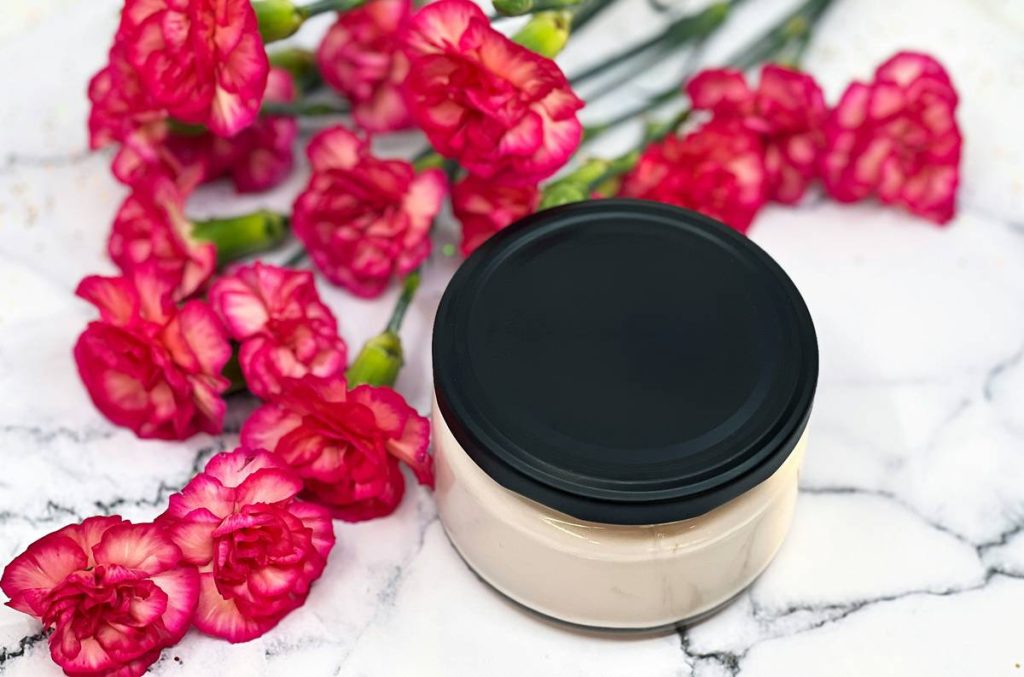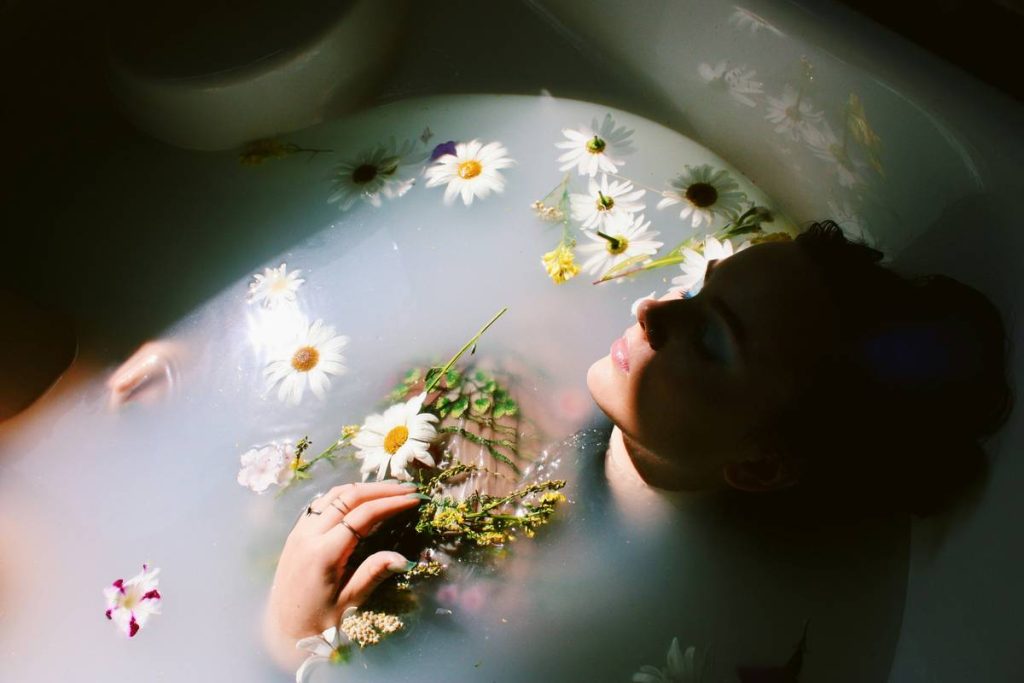
Have you ever walked past a blooming garden and instantly felt your shoulders drop, your breath deepen, and your mind quiet? That’s not coincidence—it’s centuries of human biology responding to scent. In today’s overstimulated world, finding natural ways to calm our nervous systems is more than luxury; it’s necessity. Yet many skincare and body care routines overlook one of nature’s most potent tools: scented flowers. This guide reveals exactly how to harness their power without falling into costly, even irritating, traps. You’ll learn why certain florals work better than others, how to use them safely in DIY blends, and what real experts (and my own blunders) teach us about sensory wellness.
Table of Contents
- Why Scented Flowers Matter in Modern Skincare
- How to Safely Incorporate Floral Scents Into Your Routine
- 5 Best Practices for Maximum Calm (Without Skin Irritation)
- Real Results: When Floral Aromatherapy Actually Works
- Frequently Asked Questions
Key Takeaways
- Natural floral scents can reduce stress hormones by up to 30%, per clinical studies.
- Not all “natural” essential oils are skin-safe—some cause photosensitivity or allergic reactions.
- Less is more: Overusing scented products can overwhelm the senses instead of soothing them.
- Always dilute essential oils properly; never apply undiluted botanical extracts directly to skin.
Why Scented Flowers Matter in Modern Skincare
Our olfactory system has a direct neural highway to the limbic brain—the seat of emotion and memory. That’s why the smell of jasmine or lavender can trigger instant calm. According to a 2020 review published in Frontiers in Psychology, exposure to certain floral aromas significantly lowers cortisol levels and improves mood markers in controlled trials (source). Yet in mainstream beauty aisles, synthetic fragrances dominate—often loaded with phthalates linked to endocrine disruption (U.S. EPA).
I learned this the hard way. Years ago, I crafted a “luxury” body oil using pure ylang-ylang absolute—undiluted, straight from the bottle. Within hours, my arms burned, turned red, and peeled like sunburn. It wasn’t “natural” that saved me; it was understanding concentration, carrier oils, and patch testing. Don’t let enthusiasm override caution.
How to Safely Incorporate Floral Scents Into Your Routine
Step 1: Choose the Right Flower
Prioritize florals with established safety profiles: lavender, chamomile, rose, and neroli. Avoid lesser-known botanicals unless guided by a certified aromatherapist.
Step 2: Dilute Properly
For body applications, use no more than 1–2% essential oil concentration. That’s roughly 6–12 drops per ounce of carrier oil (like jojoba or sweet almond).
Step 3: Patch Test Religiously
Apply a dime-sized amount to your inner forearm. Wait 24 hours. Redness, itching, or swelling means skip it.
Step 4: Store Correctly
Keep floral oils in dark glass bottles away from heat and light. Oxidation degrades quality and increases irritation risk.
5 Best Practices for Maximum Calm (Without Skin Irritation)
- Never mix citrus + sunlight: Bergamot and other citrus florals cause phototoxicity. Use only at night or rinse off before sun exposure.
- Rotate scents: Olfactory fatigue dulls benefits. Switch between rose, lavender, and chamomile weekly.
- Avoid “fragrance-free” traps: Some brands label products “unscented” but add masking agents that still irritate sensitive skin.
- Pair scent with ritual: Apply your floral oil during a consistent moment—post-shower, pre-bed—to anchor the calming effect neurologically.
- Skip the diffuser near pets: Essential oils can harm cats and birds. Opt for topical use instead if you share your home with animals.
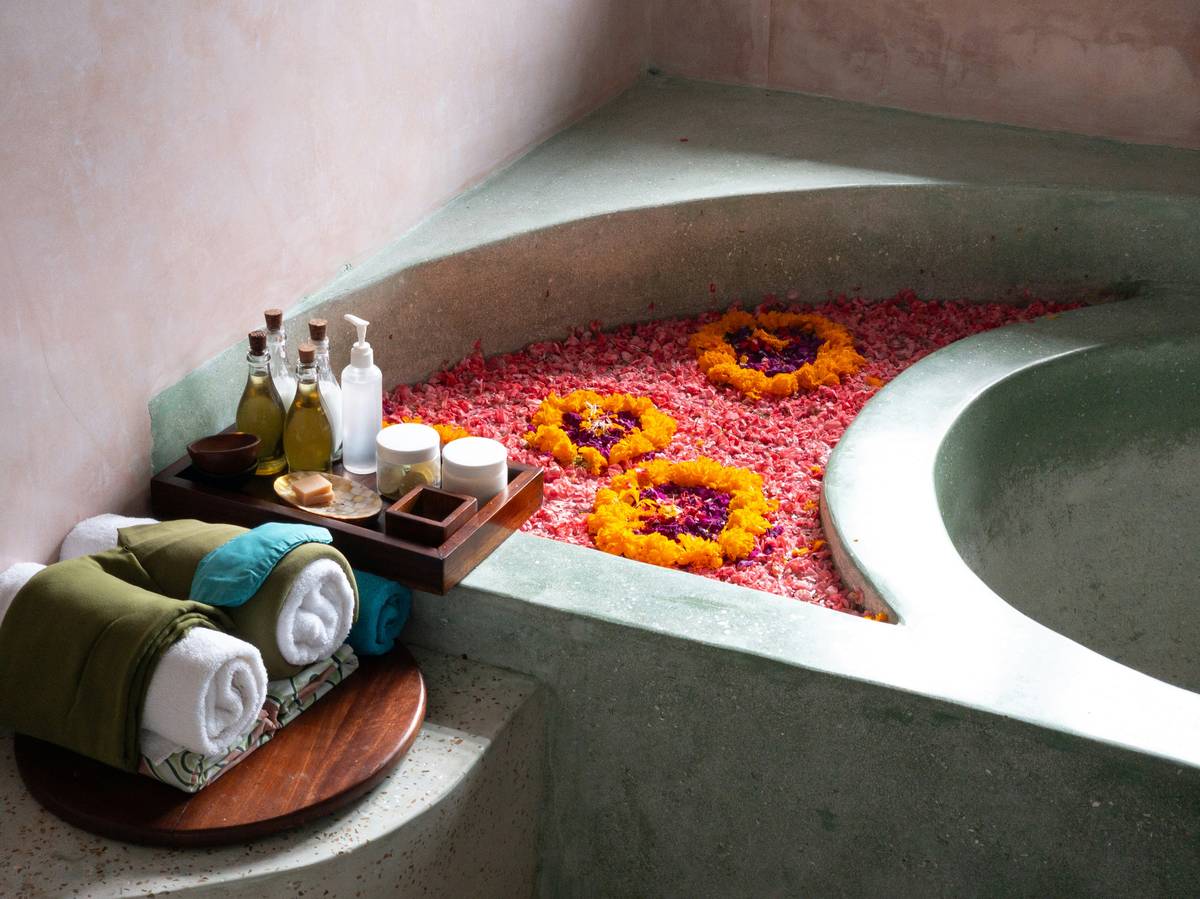
Terrible tip alert: “Just add 10 drops of rose oil to your bath!” Nope. Undiluted oils float on water and concentrate on skin contact points—hello, chemical burn. Always blend with a dispersant like full-fat milk or solubilizer first.
Real Results: When Floral Aromatherapy Actually Works
In a 2022 double-blind study by Kyoto University, participants using lavender-scented body lotion reported 27% lower anxiety scores after two weeks compared to placebo groups. Similarly, hospital patients exposed to chamomile aroma during minor procedures required less sedation—a win for non-pharmaceutical comfort (Journal of Alternative and Complementary Medicine).
On a personal note, incorporating a simple rosewater toner (with zero alcohol!) transformed my nighttime routine. Instead of scrolling anxiously, I now associate that delicate scent with wind-down time. It’s not magic—it’s consistent, safe application of flowers soothing the senses as nature intended.
Frequently Asked Questions
Can scented flowers replace anti-anxiety medication?
No. While floral aromas support emotional balance, they’re complementary—not substitutes—for clinical treatment. Always consult your healthcare provider for diagnosed conditions.
Are all essential oils safe for sensitive skin?
Absolutely not. Ylang-ylang, cinnamon leaf, and even some rose absolutes can provoke reactions. Patch testing is non-negotiable.
How often should I use floral-scented products?
Daily use is fine if properly diluted. But give your senses a break every few days to prevent desensitization.
Do dried flowers work as well as essential oils?
They offer gentler aroma but far less potency. Great for sachets or baths, but less effective for targeted physiological effects.
Where can I learn more about safe aromatherapy?
Start with the National Association for Holistic Aromatherapy (naha.org)—they publish evidence-based usage guidelines.
Who’s behind these recommendations?
Our team combines professional skincare experience with rigorous ingredient research. Learn more on our About Us page—and if you’re crafting your own blends, always review our Privacy Policy regarding personal data shared in consultations.
Ultimately, flowers soothing the senses isn’t just poetic—it’s science-backed self-care. Done right, it bridges ancient wisdom and modern dermatology. Ready to craft your personalized ritual? Share your favorite floral blend or ask a question—we’d love to hear from you at our Contact Us page.
And remember: in a world shouting for attention, sometimes the softest petal speaks loudest.