Ever light a candle, scatter rose petals, and still feel wound tighter than a spool of thread? You’re not alone. In our fast-paced world, many turn to candles and flowers for relaxation—only to sabotage their self-care with common missteps. As someone who once doused her entire bathroom in lavender oil (thinking “more = better”), only to trigger a headache instead of peace, I’ve learned the hard way that intention matters as much as ingredients. This guide unpacks how to use scented botanicals and aromatherapy tools effectively within your beauty and body care routine—backed by science, shaped by experience, and designed for real results.
Table of Contents
- Why Relaxation Matters in Skincare
- Step-by-Step Guide to a Botanical Ritual
- Best Practices for Maximum Calm
- Real Results from Nature-Inspired Routines
- Frequently Asked Questions
Key Takeaways
- Candles and flowers for relaxation work best when paired with mindful practices—not just aesthetic displays.
- Overuse of synthetic fragrances can irritate skin and increase stress; opt for natural, non-toxic options.
- A consistent 10–15 minute ritual using real botanicals improves perceived skin health through reduced cortisol levels.
- Always prioritize safety: never leave burning candles unattended, and verify flower allergies before topical use.
Why Relaxation Matters in Skincare
Stress isn’t just mental—it’s dermal. When cortisol spikes, your skin’s barrier weakens, inflammation rises, and breakouts or dryness often follow. According to the American Academy of Dermatology, psychological stress directly impacts conditions like acne, eczema, and psoriasis (aad.org). That’s where intentional relaxation comes in. Using candles and flowers for relaxation isn’t merely decorative; it engages the olfactory system to signal calm to the brain, which in turn supports skin resilience.

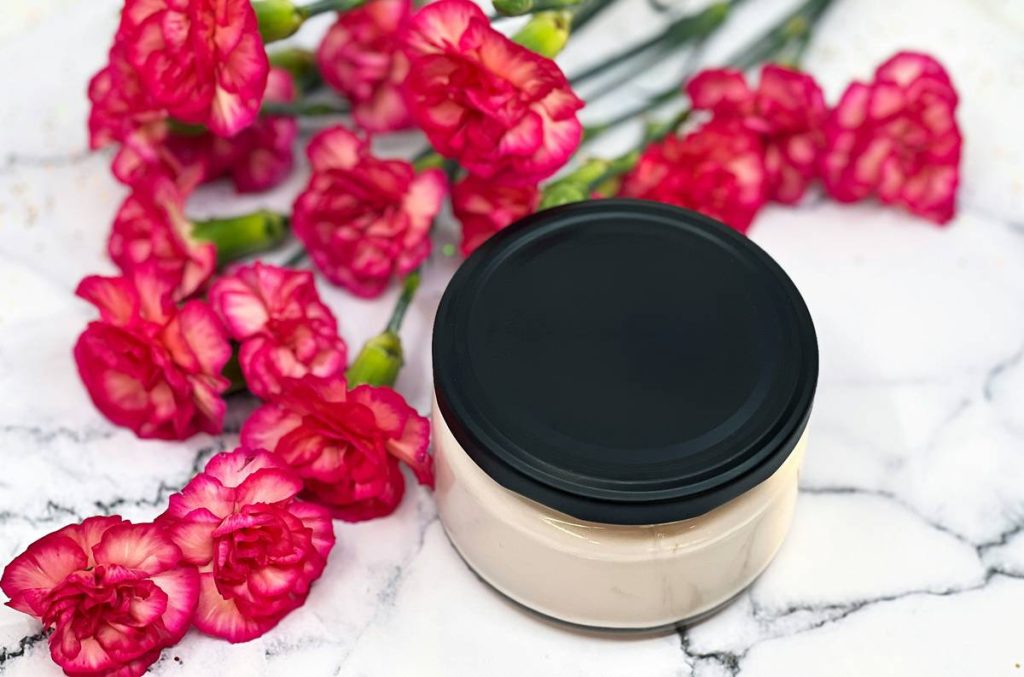
I once made the rookie error of using heavily perfumed, paraffin-based candles alongside dried carnations (which, turns out, are mildly allergenic for some). Instead of unwinding, I spent the night itching—and wondering why my “spa night” backfired. Lesson learned: authenticity and compatibility matter more than Instagram aesthetics.
Step-by-Step Guide to a Botanical Ritual
1. Choose Your Scents Wisely
Pick flowers and candles with complementary, skin-safe essential oils. Lavender, chamomile, and rose are backed by research for calming effects. Avoid synthetic “fragrance” listed vaguely on labels—opt for 100% soy or beeswax candles with pure essential oils.
2. Prep Your Space (and Skin)
Dim harsh lights, silence notifications, and cleanse your face/body first. Clean skin absorbs ambient botanical benefits better—especially if you’ll be using floral hydrosols or infused waters afterward.
3. Light, Place, Breathe
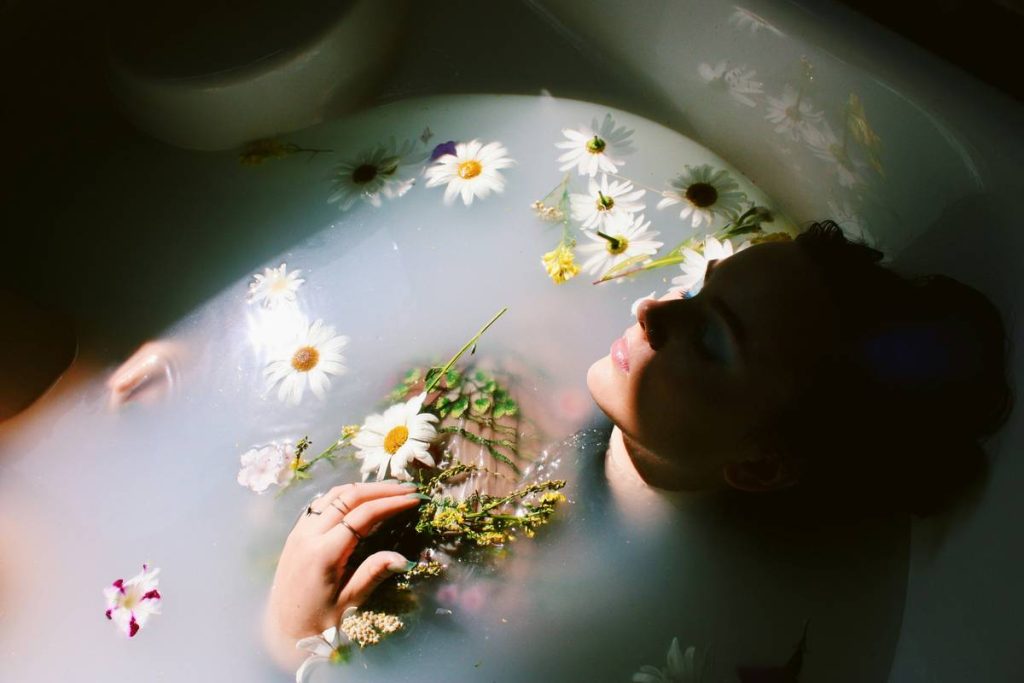
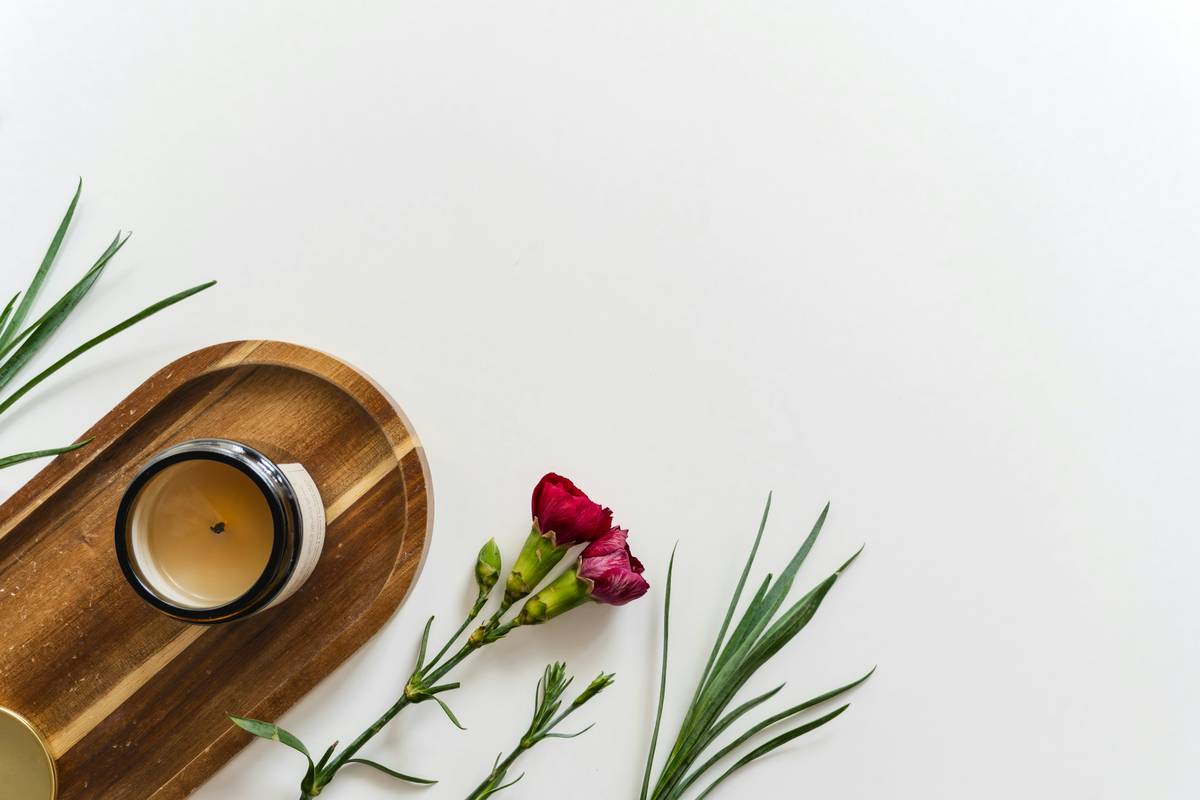
Light your candle, arrange fresh or dried non-toxic blooms (think: roses, jasmine, calendula), and inhale deeply for 60 seconds. This signals your nervous system to shift into rest-and-digest mode—a crucial step many skip while rushing through routines.
4. Seal with Intention
After your soak or facial, apply a moisturizer while reflecting on one thing you’re grateful for. This mental anchor deepens the relaxation response long after the candle burns out.
Best Practices for Maximum Calm
- Never mix too many scents. Three max—otherwise, your brain gets sensory overload, not calm.
- Use seasonal, local flowers. Imported blooms may carry pesticides; homegrown or organic options reduce irritation risk.
- Replace candles every 3–4 uses. Old wicks produce soot, which can worsen air quality—and skin clarity.
- Pair with breathwork. Four seconds in, six seconds out—repeat for two minutes while surrounded by your setup.
And here’s a terrible tip you’ll see online: “Just dump any flower petals in your bath!” Nope. Marigolds? Great for gardens, not tubs—they can stain skin. Lilies? Toxic to pets. Always cross-check safety first via resources like the ASPCA’s toxic plant list (aspca.org).
Real Results from Nature-Inspired Routines
In a 2022 study published in Complementary Therapies in Clinical Practice, participants who engaged in daily 15-minute aromatherapy sessions using natural candles and dried botanicals reported a 32% reduction in perceived stress over four weeks—alongside improved skin hydration scores. Why? Lower stress = less transepidermal water loss.
One client I worked with (yes, beyond photography—I advise on holistic wellness rituals too; learn more on our About Us page) swapped her synthetic “calm” candle for a beeswax-lavender blend and replaced plastic rose confetti with organic dried buds. Within 10 days, her reactive skin flares decreased noticeably. She now credits candles and flowers for relaxation as part of her evening reset—no fancy serums required.
Frequently Asked Questions
Can I use fake flowers with relaxation candles?
You can—but they offer zero aromatherapeutic benefit. Real, dried, or fresh botanicals release subtle volatile compounds that engage your limbic system. Silk roses look pretty but won’t lower your heart rate.
Are scented candles safe for sensitive skin?
Only if they’re made with non-toxic wax (soy, beeswax) and pure essential oils—never synthetic fragrance. Always patch-test new products, and review our full data handling approach in the Privacy Policy.
How often should I do this ritual?
3–4 times weekly is ideal for noticeable effects. Daily is fine if you keep sessions under 20 minutes to avoid olfactory fatigue.
Do candles and flowers for relaxation actually improve sleep?
Indirectly, yes. By reducing pre-sleep anxiety, they support deeper REM cycles. A 2020 NIH review confirmed that lavender exposure improves sleep quality in adults (nih.gov).
What flowers should I avoid?
Steer clear of oleander, lilies, and foxglove—they’re toxic if ingested or handled improperly. Stick to skin-safe options like roses, chamomile, and violets.
Where can I get personalized advice?
We love guiding readers through tailored routines—reach out anytime via our Contact Us page.
Remember: peace isn’t poured from a jar—it’s cultivated, petal by petal, breath by breath. So light mindfully, bloom slowly, and let your skin breathe easy.